Ragnar Stormbringer—Jarl Thryggvi host relationship
When the Cold Breathes A Ragnar Stormbringer Tale A Ragnar Stormbringer TaleRagnar Stormbringer’s relationship with Jarl Thryggvi is grounded in hospitality but tested by a crisis that makes the guest a defender of his host’s people. Ragnar stays through the northern winter at the jarl’s settlement, accepts its shelter and provisions, and responds to danger with decisions that serve the community; after venturing out to seek help, he returns to tell the jarl what has happened.
A Guest in the Northern Winter
Ragnar has chosen not to begin a southward journey in the depth of winter, and Jarl Thryggvi has taken him in for the season. The arrangement is more than a brief stop on the route south: Ragnar expects to remain until the worst cold has passed, when he can continue refreshed. He appreciates the relative calm of indoor life, warm fires, food, drink, and companionship, in contrast to the dangers and bitter cold of the surrounding wilderness. His stay is thus a period of comfort made possible by the jarl’s hospitality, before events turn that refuge into a place of responsibility.
Thryggvi’s authority rests on a history of displacement and accommodation. Once driven from his lands after a conflict with a northern king, he traveled east with his family, servants, loyal warriors, and their families. They eventually settled among the remnants of a forest-dwelling tribe battered by war and hardship. The tribe welcomed the jarl in the hope of ending its long troubles, and, with its assent, he came to rule over it. In the years that followed, his followers and the tribespeople established villages and homesteads. The area became a stopping point for northerners heading toward the river-crossed grasslands to the south, and Ragnar is one of those travelers who benefits from the settlement’s welcome.
Hospitality Tested by Danger
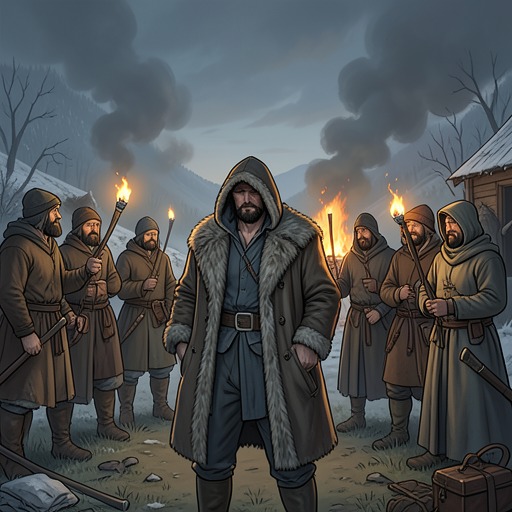
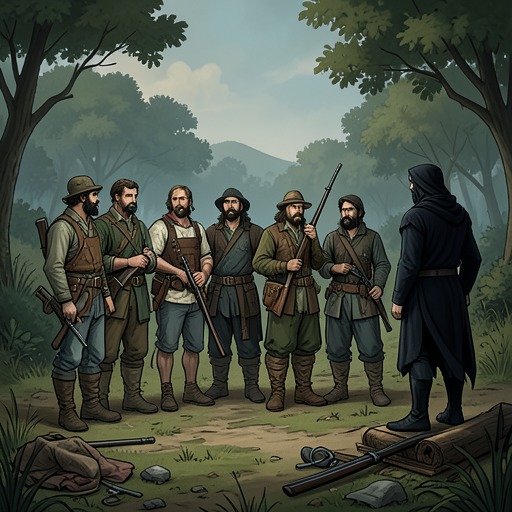
The settled routine breaks when Cnut arrives at the jarl’s homestead with an urgent report. Thryggvi wants to dismiss him immediately, but Ragnar agrees to hear him. The report concerns eight men who have disappeared from nearby villages over a few weeks, without witnesses or any discovered cause. Although Cnut and others have discussed organizing an armed search party, fear has delayed them. Ragnar’s choice to listen helps turn the jarl’s household from a place of winter rest into the setting where the danger first demands a response.
After finding the remains of Heimval, Ragnar determines to avenge the dead man and honor his courage, while also aiding the settlers whose leader has sheltered him through the harshest part of winter. This motive ties his personal response to his obligation as a guest: he does not treat the threat as someone else’s local problem simply because he is passing through. The hospitality he has received gives his commitment a specific human and communal context.
A Shared Refuge
Once Ragnar concludes that the creatures are wights, he urges the men to warn the villages and gather the people at the jarl’s stronghold. He argues that the wights will sweep through the villages whether the defenders act or not, and that they will not tire or need food or drink. His proposed stand therefore depends on bringing the scattered inhabitants together under the protection of the settlement ruled by Thryggvi. The plan makes Ragnar an active defender of the jarl’s domain, not merely a recipient of its shelter.
Later, while the wights remain outside the palisade, Ragnar looks for Thryggvi among the largest huts, hoping to discuss the people’s predicament and find a way to defeat the creatures. The account establishes his intention to seek the jarl’s counsel, though it does not record the substance of a discussion between them at that moment. Their relationship is presented through action and responsibility more than through private familiarity: Thryggvi is the ruler whose people and refuge are at stake, and Ragnar is the experienced guest trying to help them survive.
Departure and Report
When Ragnar decides to set out to find Belshezan, he first takes time to inform Thryggvi and a few others. He fills two small pouches with food and ties them to his belt before making one last circuit of the wall-walk, reminding those guarding the ramparts to stay vigilant. The sequence shows the jarl’s hospitality continuing even as Ragnar leaves the defended settlement on a dangerous errand: he does not depart without letting his host know of his choice, and he carries provisions for the journey.
After the battle, Ragnar meets with Thryggvi before resting and tells him everything that has happened. The jarl listens with spellbound attention. Women then prepare a meal of salted fish, filling mushroom soup, honey, berries, and hazelnuts; Ragnar eats until full and drinks several cups of kvas. The return to food and rest echoes the hospitality with which his stay began, but now follows the danger he faced on behalf of the community. The relationship remains that of host and guest, yet the crisis has made it reciprocal in practice: Thryggvi provides refuge, while Ragnar brings warning, action, and a full account of his efforts to protect the people living under the jarl’s rule.